How to select valves for corrosive and abrasive slurries


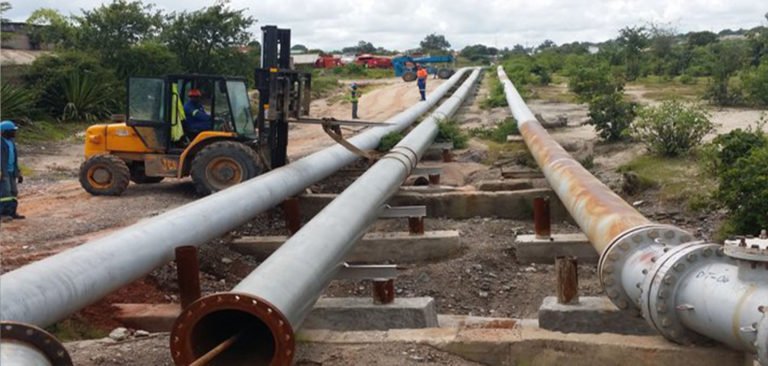
Valves play a crucial role in the transportation of corrosive and abrasive slurries in industrial processes. These slurries can cause significant damage to the piping system if not handled properly. Selecting the right valves for these applications is essential to ensure the longevity and reliability of the system. In this article, we will discuss the factors to consider when selecting valves for corrosive and abrasive slurries.

Corrosion Resistance
One of the primary considerations when selecting valves for corrosive slurries is the valve’s resistance to corrosion. Materials such as stainless steel, bronze, and other alloys are typically more resistant to corrosion than cast iron or carbon steel. In addition, some specialty coatings can also be applied to provide additional protection against corrosion. The selection of the material and coating should be based on the type of corrosive medium, its concentration, and the temperature of the slurry.

Abrasion Resistance
The selection of valves for abrasive slurries must consider the valve’s resistance to wear and tear. The material and hardness of the valve components should be carefully selected to withstand the abrasive action of the slurry. The valve’s body and seat material should be harder than the abrasive particles in the slurry. Hard metals such as stellite, tungsten carbide, and ceramics are commonly used in valves for abrasive slurries. Additionally, special coatings and linings can be applied to protect against abrasive wear.

Flow Control
The valve’s flow control capabilities are another critical consideration when selecting valves for corrosive and abrasive slurries. In applications where the slurry flow needs to be controlled precisely, valves with linear or equal percentage flow characteristics should be used. Linear valves are ideal for applications with a constant pressure drop, while equal percentage valves are better suited for applications where the pressure drop varies. The valve’s actuator must also be capable of providing precise control over the valve’s opening and closing, to ensure accurate flow control.

Valve Type
The type of valve selected will also depend on the specific application requirements. Ball valves are commonly used in corrosive slurries because they are easy to operate and provide tight shut-off capabilities. Globe valves are often used in applications where precise flow control is required, while diaphragm valves are commonly used in applications where the slurry contains abrasive particles.

Maintenance
Finally, the maintenance requirements of the valve must also be considered when selecting valves for corrosive and abrasive slurries. Valves that are easily accessible and have replaceable components are ideal for applications where maintenance is frequent. Additionally, valves with a minimum number of moving parts are preferred to reduce the likelihood of failure.

In conclusion, selecting the right valves for corrosive and abrasive slurries is essential to ensure the longevity and reliability of the system. The valve’s material, abrasion resistance, flow control capabilities, valve type, and maintenance requirements should all be carefully considered when selecting valves for these applications. By selecting the appropriate valves, system designers can ensure the safe and efficient transport of corrosive and abrasive slurries in their industrial processes.
How to find reliable lubrication solutions for coastal environments


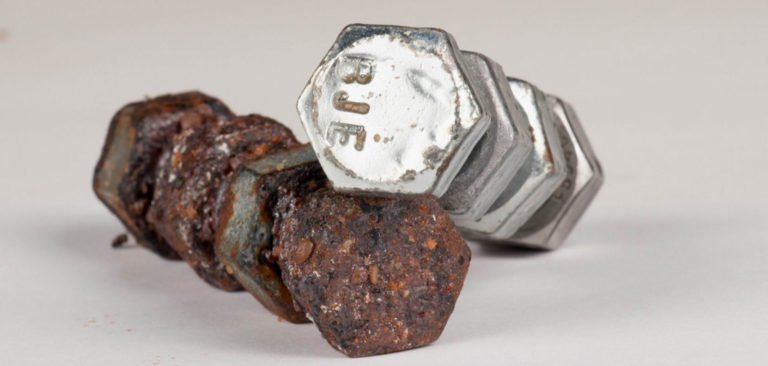
Oxidation, rust, corrosion, and water exposure can be significantly higher along South Africa’s coastal belt. So much so that coastal conditions are often classified as “extreme condition environments”.

This doesn’t have to mean, however, that components operating in coastal plants will always have a shorter lifespan or run less efficiently than their inland equivalents. The key to extending the life of any piece of equipment is protecting it using the right lubrication products in the correct quantities and at the appropriate frequency.

Lubrication Engineers (LE) South Africa has long-standing relationships with clients in many different industries in South Africa’s coastal areas and has seen immense improvements in its clients’ equipment lifespans and performance where the right lubrication is applied, and preventative maintenance devices are used.

Llewellyn Owen, National Sales Manager at LE explains that it’s essential to work with a client to understand their challenges to find the right solution for their specific needs. This is particularly important in coastal areas where clients have to factor in the environmental impact on wear and tear and contamination. Beginning with an onsite equipment assessment, a trained lubrication consultant should be able to recommend lubricants, application methods, usage amounts, and drain or lube intervals to ensure effective maintenance.

Protecting coastal equipment
Preventative maintenance and LE’s aftermarket reliability solutions (ARS) also form an important part of this approach. “The better we can help a client in protecting and extending the life of their assets, the better the client’s business does, and the more money the client makes, because they don’t have continuous issues with downtime. They can achieve their targets as far as asset life is concerned. We find that the predictions that are set out are often exceeded by implementing these systems when running a high-spec, appropriate lubricant,” explains Owen.

Tanzania approves controversial multi billion-dollar oil pipeline

One example of this is enclosed gearboxes. Owen says that many imported enclosed gearboxes don’t have adequate level monitors or sight glasses on them, or their sight glasses get contaminated over time and it becomes difficult for operators to see what is happening inside the gearbox. LE’s Duolec® Industrial Gear Oil solutions have proved to be an excellent and extremely reliable solution for coastal applications in enclosed gearboxes.

“We have cases where we have gearboxes using one of the Duolec® lubrication that have now been running for more than 22 years… the way that this Duolec® Industrial Gear Oil product keeps oxidation away from metal parts and gears is absolutely mindboggling,” Owen adds.

Preventative devices, such as LE’s High Humidity Desiccant Breathers, can also be a very helpful ARS tools when installed on gearboxes, pumps, transformers, and lubricant reservoirs. They help to exclude large amounts of airborne contamination when these assets “breathe”. Where storage tanks and working assets are subjected to continuous temperature changes and large fluctuations in humidity it is critical to investigate preventative measures to combat potential problems and implement them. ARS tools can play an important role in this regard.

Owen adds that different industrial and agricultural applications require lubrication that will help get the best out of equipment and get the best returns for clients on the lifespan of their machinery. “Every industry has its own troublesome or problematic machine or component,” he says.

Having the right lubrication partner gives maintenance teams access to expert advice, skills, and technology to help them solve any challenges that arise. For example, marine application lubrication can be particularly tricky (for example, on fishing boats and boat trailers). LE has developed a range of products specifically designed for these applications. For example, LE 1498/9 is a waterproof grease that is suitable for marine use as it is not affected by saltwater.

In the coastal agricultural industry, equipment like crop sprayers require a lubricant in the gearbox that can handle not only the environmental issues, but also constant water ingress. “In these instances, you need to have a high-quality lubricant that can separate from water easily, yet still protect the moving parts. LE’s high quality multi-viscosity EP gearbox oils outlast the majority of other lubricants offered in this market,” says Owen.

“We like to think of ourselves as a headache tablet. Regardless of the difficulty a client might be experiencing, whether it be a lubricant, solution problem or a heat problem, we are able to assist our clients in solving or greatly reducing their downtime and improving their productivity,” he says.

Weir Minerals releases Slurry Pumping Handbook


Weir Minerals, manufacturer of the industry-leading Warman® slurry pump, has released the latest edition of its coveted Warman® Slurry Pumping Handbook. The 6th edition, compiled by the most trusted name in slurry pumps, features detailed engineering data required for most slurry pumping applications.

Drawing on decades of Weir Minerals’ inhouse expertise in innovative engineering and slurry pumping technology, the new handbook has updated reference material based on new learnings, improved understanding and technological developments within the mining industry.

With customers always in mind, the handbook aims to empower engineers to achieve optimal performance from their Warman® slurry pumps. An increased global focus on the environment, energy consumption and water conservation will influence slurry pump design and considerations – making this latest handbook an essential tool for all current and future pump engineers.

“Pumping slurry has many challenges and I’m excited to publish our latest handbook, packed with fundamental theory, application advice, standard practices and latest Warman learnings from the field; all aimed to help our customers, present and future, deliver with excellence,” says Marcus Lane, Director, Slurry Pumping Technology Group at Weir Minerals.

Weir Minerals is continually striving to shape the next generation of smart, efficient and sustainable solutions with cutting-edge science and innovation. The comprehensive handbook includes over 140 pages of detailed information, including performance charts, impeller design, part configuration, assembly and slurry considerations – fully supported by accurate technical renders and specifications.

“The high quality of the reference material in this essential resource reflects the leading status of the Warman slurry pumps. As the industry leader, we have a responsibility to develop our future engineers; we will make the latest version of the Warman Slurry Pumping Handbook available not only to our customers, but also to the leading schools worldwide, so they can learn from the best in the industry,” says John McNulty, Vice President Global Engineering & Technology at Weir Minerals.

As part of Weir Minerals’ commitment to investing in STEM education and developing the next generation of engineers, copies of this essential resource will be gifted to the leading mining and engineering educational facilities around the world, including the winner of the 2022 Warman Design & Build competition, Deakin University in Australia.
