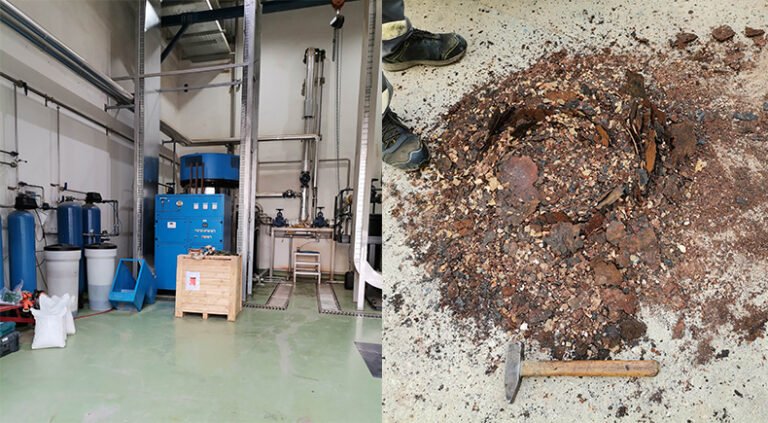
Pump blockages represent a significant challenge in the management and functionality of pump systems, essential for various applications such as wastewater management, aquaculture, and industrial processes. Understanding the underlying issues associated with blockages is crucial for maintaining efficient operation and minimizing disruption.Blockages within a pump typically occur when foreign materials hinder the flow of liquids through the system. Debris such as leaves, rocks, and sediment can easily find their way into the pump chamber or pipes. Additionally, mineral buildup due to hard water can create scale deposits, significantly reducing the effective diameter of the pipes and impeding flow. Furthermore, tangled materials, such as rags or ropes, can wrap around impellers, leading to a complete stalling of pump operation. Such scenarios highlight the diverse nature of materials that can lead to blockage within pump systems.It is vital to recognize the early signs of pump blockages to mitigate the potential for damage. Common indicators include unusual noises, fluctuations in pressure, or reduced flow rates. Ignoring these signs may not only cause operational inefficiencies but can also result in extensive pump damage, leading to costly repairs or replacements. Moreover, regular maintenance and inspection can significantly reduce the likelihood of blockages by ensuring that potential sources of debris are minimized and that any buildup is addressed promptly.In conclusion, an understanding of pump blockages, their causes, and early detection is essential for effective pump system management. Recognizing the signs of blockage and maintaining routine checks can preserve the integrity of pump operations and extend their lifespan. Ultimately, proactive measures can mitigate the impact of blockages, ensuring a reliable and efficient pumping system.
Signs Your Pump is Clogged
Identifying a clogged pump early can prevent significant damage and costly repairs. There are several visual and functional indicators that one can monitor to recognize potential clogs. One prominent sign is the occurrence of unusual noises. If you notice strange sounds such as grinding, whining, or excessive vibrations from the pump, it is often a sign that something is obstructing its normal operation. Such noises may indicate that debris is affecting the pump’s impeller or motor, warranting further investigation.Another key indicator of a clogged pump is fluctuating pressure readings. A well-functioning pump should maintain consistent pressure levels; however, if you observe irregular spikes or drops in pressure, it may be an indication of a blockage within the system. This inconsistency can lead to inefficiencies in system performance and may require prompt attention to avoid complications.Decreased flow rates serve as an essential symptom of a possible clog. If water or fluid flow diminishes significantly, it suggests that the pump is not operating at optimal efficiency, potentially due to an obstruction. Monitoring the flow rate against normal operational benchmarks can help you detect issues early.Additionally, many modern pumping systems come equipped with warning signals or alarms. If your
pump starts displaying these warning signals, it is crucial to take them seriously, as they are designed to alert you to potential problems, including blockages. Paying attention to these alerts can prevent further deterioration and ensure the longevity and effectiveness of your pumping system.In summary, being aware of these signs—unusual noises, fluctuating pressure readings, decreased flow rates, and system warning signals—is crucial for detecting pump clogs early. Regular inspection and maintenance of your pump will enable you to address any issues before they escalate, thereby enhancing system reliability.
Safety Precautions Before Unclogging
Before attempting to unclog a pump, it is essential to prioritize safety. One of the first steps should be to ensure that the power supply to the pump is completely turned off. This step minimizes the risk of electrical shock or unintended activation of the pump while you are working on it. It is advisable to disconnect the power source to avoid any accidents. Additionally, placing a warning sign near the power switch can be a helpful reminder that work is in progress.Wearing appropriate protective gear is another crucial safety measure. Use safety goggles to protect your eyes from debris or potential splashes. Heavy-duty gloves are also necessary to shield your hands from sharp objects or harmful substances that may emerge during the unclogging process. If there is a possibility of encountering hazardous materials, consider using a face mask or respirator for added protection.Ensuring that the work area is safe and free from hazards is equally important. Begin by clearing the vicinity of any unnecessary items that could pose tripping risks or impede your movements. If the pump is located in a cramped space, ensure adequate room to maneuver without the risk of injury. Additionally, check for the presence of slippery surfaces and clean any spills to prevent slips and falls.It is also prudent to have a first aid kit readily available in case of any minor injuries. Having a phone nearby to reach emergency services can be lifesaving if an incident occurs. Following these safety measures is vital to reduce the likelihood of accidents and injuries while unclogging a pump. Adopting a cautious approach not only protects the individual undertaking the unclogging but also contributes to the overall safety of the surrounding environment.
Tools and Materials Needed
To effectively unclog and unblock your pump, having the right tools and materials is crucial. Each item plays a specific role in ensuring the unclogging process is both efficient and safe. Below is a comprehensive list of essential tools you should consider having on hand.Firstly, a set of
wrenches is necessary for loosening and tightening bolts or nuts that may be obstructing the pump mechanism. Various sizes may be required, so a adjustable wrench is highly recommended for versatility. Alongside wrenches, a
plunger can be incredibly effective for creating pressure to dislodge blockages, particularly in pumps that have accessible drain lines.Another important tool is a
drain snake, which is designed to reach deep obstructions that a plunger cannot manage. These flexible tools can maneuver through pipes and dislodge stubborn clogs. In cases where the clog is resistant, a
pipe auger can also be utilized for a more forceful approach.Additionally, you will require
cleaning solutions, especially enzyme-based or bio-friendly cleaners, which are effective in breaking down organic materials without harming the pump. For more challenging clogs, a stronger chemical drain cleaner may be applicable, but caution is advised as these can damage certain pump materials.Lastly, having protective gear such as
gloves and safety goggles is vital for personal safety during the unclogging process. Ensuring you are prepared with these tools and materials will facilitate a smoother and more controlled approach to unclogging issues related to your pump.
Step-by-Step Unclogging Techniques
Unclogging and unblocking your pump can be a straightforward process when approached methodically. Below are effective techniques to manage common clogs, ensuring your pump functions efficiently.Firstly, always start by turning off the pump and disconnecting it from the power source. This step is crucial for safety. After ensuring the pump is powered down, inspect the inlet and outlet to identify visible obstructions. If any debris or foreign objects are present, carefully remove them using gloves.If the blockage persists, you may resort to manual unclogging methods. Utilize a straightened wire coat hanger or a plumbing snake to reach deeper clogs. Insert the tool gently into the pump’s inlet or discharge and maneuver it to break apart or pull out the obstruction. Be cautious not to damage the pump during this process.In cases where manual methods are ineffective, consider employing a pump cleaner. Commercial pump cleaners are formulated to dissolve common blockages caused by organic matter like grease and sludge. Follow the manufacturer’s instructions carefully, allowing the chemical to sit as recommended. After sufficient time, flush the system with water to remove the cleaner and dislodged debris.In some situations, it may be necessary to disassemble parts of the pump to address the clog adequately. Utilized tools should include screwdrivers and pliers. Refer to the user manual for specific disassembly instructions and ensure all parts are reassembled correctly to avoid further issues.Finally, if all attempts fail and the pump remains clogged, it is advisable to seek professional assistance. Experts have the tools and experience to address complex clogs without risking damage to your pump. By following these step-by-step techniques, you can proficiently manage common pump clogs and restore its functionality promptly.
Preventive Maintenance Tips
Effective preventive maintenance is crucial for ensuring the longevity and efficient operation of your pump. By implementing routine maintenance practices, you can significantly reduce the risk of future blockages and enhance the overall performance of your equipment. One of the most basic yet often overlooked procedures includes regular cleaning of the pump and its components. Accumulation of debris and sediment can lead to clogs, thus maintaining a clean environment is essential. Regularly inspect the inlet and outlet ports for any signs of buildup, which could obstruct the flow of liquids.Another vital aspect of preventive maintenance is performing periodic inspections. Routine checks should encompass not just the visible parts of the pump, but also internal components. Monitoring for unusual vibrations, noises, or performance metrics can help in identifying potential issues before they escalate into serious problems. Keeping an accurate log of these inspections will aid in tracking the pump’s performance over time and allow for timely interventions when discrepancies arise.Proper handling of materials that interact with the pump is equally important. Ensure that only suitable substances are pumped through the system, as certain materials can cause blockages or damage internal parts. Familiarizing yourself with the compatibility of various fluids and solids with your pump is a necessary step in preventative care. Further, consider training personnel who operate or maintain the pump on best practices to avoid mishandling and to develop a culture of vigilance and care regarding pump operation.Lastly, establishing a scheduled maintenance plan, including routine cleaning, inspections, and operator training, will not only prevent clogs but also enhance the overall efficiency of the pumping system. Such proactive measures serve to safeguard your investment and ensure you can rely on your pump when needed. In conclusion, by integrating these preventive strategies into your operations, you can significantly minimize the risk of future pump blockages.
When to Call a Professional
Pumping systems are often subjected to various types of clogs and blockages, and while a DIY approach can often provide a quick and effective solution, there are instances where professional intervention becomes necessary. Understanding when to engage a professional service is critical for maintaining the efficiency and safety of your pumping system.One clear indication that it is time to call for professional help is the presence of severe blockages that persist despite your best efforts to unclog them. If you’ve attempted various DIY methods—such as using plungers, augers, or chemical solutions—and the issue persists, a deeper underlying problem may exist. Professionals have the expertise and specialized equipment to identify and resolve these complex issues more effectively than standard household methods.Additionally, if you suspect damage to any components of your pumping system, seeking professional assistance is advisable. Components such as pumps, pipes, and valves can suffer from wear and tear, which may not be immediately visible. A professional inspection can determine whether repairs or replacements are necessary to prevent further damage and ensure the optimal performance of your system.Complex pumping systems, such as those found in commercial settings or industrial applications, may also require professional expertise. These systems often involve intricate configurations and require a thorough understanding of plumbing, hydraulics, and electrical systems. Mistakes in troubleshooting or repairs in such scenarios can lead to significant operational issues and safety hazards.In conclusion, while many blockages can be addressed through DIY methods, recognizing the limits of those approaches is essential. When faced with severe clogs, visible damage, or complex systems, the investment in professional services can save time, money, and potential safety risks.
Real-life Testimonials and Case Studies
Unclogging a pump can often feel like an overwhelming task, especially for those who have never encountered such issues before. However, numerous individuals have successfully navigated this challenge, demonstrating that solutions are accessible and achievable. For instance, a homeowner named Sarah recounted her experience with a clogged basement sump pump. Initially, she contemplated hiring a professional, fearing the task was beyond her skill level. Yet, after researching various methods online, she decided to attempt the unclogging herself. Armed with basic tools and a DIY guide, she removed the pump and discovered a significant accumulation of debris. After a thorough cleaning and reinstallation, Sarah was amazed at how easily her pump functioned, stating that, “It felt empowering to tackle the problem head-on.”Another inspiring case is that of Mark, who faced recurring issues with his pool pump. Despite having hired professionals on previous occasions, the problem persisted. Realizing he needed a more proactive approach, Mark immersed himself in learning about pump maintenance. After testing different approaches, he found that frequent backwashing and proper filtration significantly reduced clogs. In his words, “Understanding how my pump operates transformed my perspective on maintenance; I now feel in control of the entire process.” Mark’s perseverance paid off, culminating in a smoothly functioning pool pump that required much less attention than before.These testimonials highlight the fact that tackling pump clogs can be a rewarding endeavor. Many individuals find that their initial frustrations can turn into successful resolutions with the right information and approach. The stories shared by Sarah and Mark reflect the collective sentiment that although challenges exist, adopting a hands-on mentality to
unclogging and unblocking pumps can foster both confidence and capability. Through their experiences, it becomes clear that support and resources are available to those embarking on similar journeys.
Conclusion and Final Thoughts
In summary, maintaining pump systems is crucial to ensure their optimal performance and longevity. It is essential to recognize that blockages can lead to significant operational challenges, and addressing these issues promptly can save time and resources. Throughout this guide, we have explored various methods for unclogging and unblocking your pump, discussing practical steps and best practices that contribute to effective pump care.Regular inspections and maintenance should be an integral part of your routine, as neglect can lead to accumulated debris and increased risk of blockages. Identifying potential problems early and taking corrective actions can prevent more severe issues, thus enhancing the reliability of your pumping systems. Adopting a proactive approach, such as implementing a scheduled maintenance plan, can be beneficial in minimizing unforeseen disruptions.Moreover, educating yourself and your team about the common causes of blockages and the appropriate techniques for troubleshooting can foster a culture of awareness that contributes to the seamless operation of your pump systems. Continuous learning in this area empowers you to tackle challenges confidently and effectively, ultimately leading to improved efficiency and reduced downtime.As you embark on your journey to maintain and manage your pumping systems, remember to incorporate the valuable insights shared in this guide. By prioritizing pump care and staying informed, you will be better equipped to ensure the uninterrupted performance of your pumps, mitigating risks associated with potential blockages and enhancing overall operational success.