How different valve types are used in different industries


Valves are essential components in numerous industries, acting as critical control devices that regulate the flow of liquids, gases, and other materials through various systems. By enabling the precise management of flow rates and pressures, valves play a pivotal role in ensuring the safety, efficiency, and reliability of industrial operations. These mechanical devices are integral to the functionality of systems across a broad spectrum of applications, from water treatment facilities to oil and gas pipelines, chemical processing plants, and beyond.

The basic function of a valve is to control the flow of media by opening, closing, or partially obstructing passageways. This seemingly simple operation can have far-reaching implications for the efficiency and safety of industrial processes. For instance, in the oil and gas industry, valves are crucial for controlling the flow of crude oil and natural gas, preventing leaks, and managing pressure levels to avoid potentially hazardous situations. Similarly, in the water treatment sector, valves help in regulating water flow and pressure, ensuring the consistent delivery of clean water.

Valves also contribute to energy savings and environmental protection by optimizing system performance and reducing waste. Efficient valve operation can minimize unnecessary energy consumption and reduce emissions, aligning with sustainability goals and regulatory compliance. Furthermore, the reliability of valves is paramount in critical industries such as healthcare and pharmaceuticals, where precise flow control is necessary to maintain the integrity of medical and chemical processes.

There are numerous types of valves, each designed to suit specific applications and operational requirements. Common types include gate valves, globe valves, ball valves, butterfly valves, and check valves, among others. Each type has unique features and advantages that make it suitable for particular uses within various industries. The following sections will delve deeper into these different valve types, exploring their specific functions and applications across diverse industrial landscapes.

Common Types of Valves and Their Mechanisms

Valves play a critical role in various industrial applications, regulating the flow of fluids and gases. Among the most common types of valves are gate valves, ball valves, butterfly valves, check valves, and globe valves, each with unique mechanisms and design characteristics that suit specific needs.

Gate Valves: Gate valves are widely used for on-off control. Their mechanism involves a flat or wedge-shaped gate that moves perpendicularly to the flow direction. When the gate is lifted, it allows fluid to pass through unobstructed; when lowered, it seals the passage. Gate valves are particularly suitable for applications requiring a full, unobstructed flow, such as in pipelines carrying water, oil, or gas.

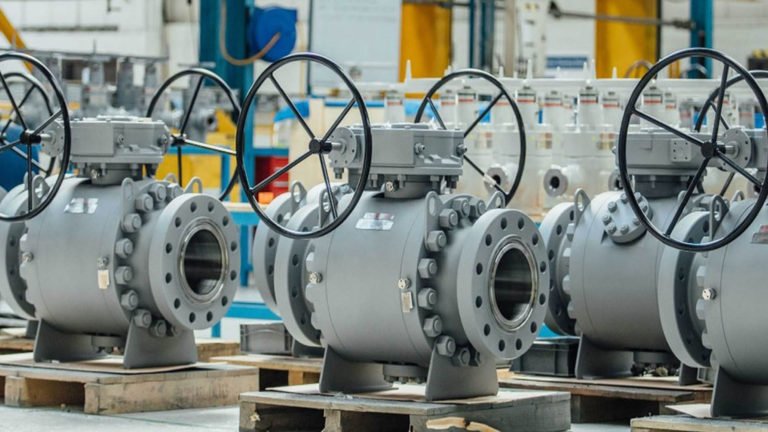
Ball Valves: Ball valves feature a spherical disc (the ball) with a hole in the middle. When the valve is in the open position, the hole aligns with the flow direction, allowing fluid to pass through. Rotating the ball by 90 degrees closes the valve, blocking the flow. Ball valves offer reliable sealing and are used in applications needing quick shut-off, such as in chemical, petrochemical, and water treatment industries.

Butterfly Valves: Butterfly valves use a rotating disc to regulate flow. The disc remains in the flow path but rotates to allow or restrict fluid movement. These valves are lightweight, require less space, and are often used in large diameter pipes. They’re ideal for applications requiring precise flow control, such as in HVAC systems, food processing, and water distribution.

Check Valves: Check valves, or non-return valves, prevent backflow in a system. They operate automatically, allowing flow in one direction and closing if the flow reverses. The common designs include swing check and lift check valves. Their primary applications are in water and wastewater management, mining, and power generation industries, where maintaining directional flow is crucial.

Globe Valves: Globe valves are designed for throttling applications. They consist of a movable disk-type element and a stationary ring seat in a spherical body. The fluid flow changes direction within the valve, which provides better control over flow rates. Globe valves are commonly used in applications requiring frequent adjustment, such as in steam, oil, and gas pipelines.

Understanding these valve types and their mechanisms can significantly enhance operational efficiency and safety across various industries. Each valve type offers distinct advantages, making it essential to select the appropriate valve for specific applications.

Industry-Specific Applications of Valves

Valves play a critical role across a multitude of industries, each with unique requirements and operational challenges. In the oil and gas sector, for instance, valves must withstand high pressures and temperatures, as well as corrosive environments. Gate valves and ball valves are commonly utilized due to their ability to provide a tight seal and handle the rigors of oil and gas extraction and transportation. In contrast, the water and wastewater treatment industry often employs butterfly valves and check valves. These valves offer reliable flow control and are vital for managing large volumes of fluid through extensive pipeline networks, ensuring efficient and safe water distribution and treatment.

Chemical processing plants demand valves that can handle aggressive chemicals and varying temperatures. Diaphragm valves and plug valves are frequently chosen for these applications due to their robust materials and design, which prevent leakage and ensure operational safety. Power generation facilities, especially those relying on nuclear and thermal energy, necessitate valves that can operate under extreme conditions. Globe valves and safety relief valves are prevalent in these settings, providing precise flow regulation and critical pressure relief to maintain system integrity.

The food and beverage industry, with its stringent hygiene standards, leans heavily on sanitary valves such as pinch valves and hygienic butterfly valves. These valves are designed to prevent contamination and are easy to clean, complying with the industry’s rigorous health and safety regulations. For example, in beverage production, pinch valves are often used due to their ability to control the flow of sensitive liquids without causing any degradation in quality.

Each industry’s specific demands dictate the type of valves employed, ensuring that operational efficiency, safety, and regulatory compliance are maintained. By understanding these industry-specific requirements, companies can select the most suitable valve types, optimizing their processes and achieving reliable performance.

Innovations and Future Trends in Valve Technology

Recent years have seen significant advancements in valve technology, driven by the need for improved efficiency, reliability, and automation across various industries. One of the most groundbreaking developments is the emergence of smart valves. These valves integrate sensors and Internet of Things (IoT) technology, enabling real-time monitoring and control. By collecting and analyzing data, smart valves can predict maintenance needs, optimize performance, and reduce downtime, thereby offering substantial economic and operational benefits.

Advancements in materials science have also played a crucial role in the evolution of valve technology. Innovations in materials such as advanced composites, ceramics, and high-performance alloys have led to the creation of valves that are more durable, corrosion-resistant, and capable of withstanding extreme temperatures and pressures. These materials not only extend the lifespan of valves but also improve their efficiency, making them suitable for a wide range of demanding applications in industries such as oil and gas, chemical processing, and power generation.

Automation and digitalization are further transforming valve operations. The integration of automated control systems allows for precise and remote operation of valves, minimizing human intervention and the potential for error. Digital twins—virtual replicas of physical valves—are being used for simulation, testing, and monitoring, providing valuable insights into the performance and health of valve systems. This digital transformation enhances the ability to manage and optimize complex valve networks, particularly in large-scale industrial settings.

Looking ahead, the future of valve technology promises continued innovation and development. Trends such as the increasing adoption of artificial intelligence (AI) and machine learning (ML) are likely to further enhance the capabilities of smart valves, enabling even more sophisticated predictive maintenance and performance optimization. Additionally, the growing emphasis on sustainability and energy efficiency will drive the development of eco-friendly valve solutions that reduce environmental impact.

In conclusion, the landscape of valve technology is rapidly evolving, with smart valves, advanced materials, and digitalization leading the way. These innovations are set to revolutionize valve operations, offering greater efficiency, reliability, and sustainability across various industries. As technology continues to advance, we can expect even more transformative developments, shaping the future of valve technology for years to come.

Troubleshooting Common Water Pump Problems: From Repairs to Replacement


Understanding the Basics of Water Pumps

Water pumps are essential for the smooth operation of many mechanical and plumbing systems, yet they are prone to a variety of issues that can impede their functionality. If you’ve ever turned on a faucet to find no water pressure, or heard strange noises coming from your heating system, you might be facing some of these common difficulties. The journey through diagnosing and solving water pump problems begins with understanding how these devices work and what typically goes wrong.

Recognizing Symptoms and Identifying Issues

No Water or Low Pressure

Imagine starting your day ready for a hot shower, only to find that no water is coming out. This is a classic sign of a failing water pump. Other indicators include low water pressure or a pump that cycles on and off more frequently than usual. These symptoms could suggest a clogged filter, issues with the pump’s electrical connections, or even a deep-seated problem in the well itself if your system is well-based.

Unusual Noises

A water pump shouldn’t be noisy. If you start hearing a humming, grinding, or banging sound, it’s a signal that something isn’t right. These noises can stem from a jammed impeller, bearing failures, or loose parts vibrating against the casing of the pump.

Common Causes of Water Pump Failure

Age and Wear

Like any mechanical device, water pumps wear out over time. Bearings can seize, seals may break, and impellers might degrade. A pump well past its prime is more likely to fail, often requiring more than just simple repairs.

Poor Installation

Incorrect installation can lead to numerous pump problems. This might include issues like improper sizing of the pump for the system’s requirements, or faulty wiring that compromises the pump’s operation and safety.

Electrical Issues

Pumps rely heavily on their electrical components. A blown fuse, a tripped breaker, or a failure in the motor can render a pump inoperable. Regular electrical maintenance can help avoid these problems.

Step-by-Step Diagnostic Guide

Checking Electrical Components

Start with the basics: ensure that the pump is receiving power. This includes checking circuit breakers, examining wires for damage, and testing the voltage at the pump itself.

Inspecting the Pump

Physical inspection can reveal many problems. Look for signs of wear on the impeller, check for leaks around seals, and make sure there is no debris obstructing the water flow.

Pressure Tests

Performing a pressure test can help determine if the issue lies within the pump or further along in the system. This test will show whether the pump is capable of reaching and maintaining the required pressure levels.

Real-Life Troubleshooting Example

Consider the story of a small-town bakery that experienced intermittent water supply issues, severely impacting their business. Initially, the problem appeared sporadic, which made diagnosing tricky. After several checks, it was discovered that the pressure switch was faulty, causing the pump to shut off at random. Replacing the switch provided a simple and effective solution, and the bakery returned to normal operations.

Preventive Measures and Maintenance Tips

Regular Maintenance

Establish a regular maintenance schedule for your water pump. This includes cleaning filters, checking fluid levels, and inspecting the pump and its components for signs of wear or damage.

Know Your System

Understand the specifications and requirements of your water pump system. This knowledge can help you identify when the pump is not performing as it should and facilitate quicker troubleshooting.

Professional Inspections

Sometimes, the best approach is to have a professional look at your system. They can offer a comprehensive checkup and handle complex repairs that might be beyond the scope of typical DIY efforts.

When to Consider Replacement

There comes a point when repairing an old water pump might not be cost-effective. If your pump requires frequent repairs, or if it’s reaching the end of its expected lifespan, replacing it might be the more prudent choice. Modern pumps are more efficient and can provide better performance and reliability than older models.

Conclusion

Water pump issues can range from minor inconveniences to major disruptions. By understanding the common problems, recognizing the symptoms, and knowing how to troubleshoot these issues, you can ensure that your system remains operational. Remember, timely maintenance and sometimes a professional’s touch can save you from the hassle and expense of unexpected failures. Keep an eye on your pump’s performance and act swiftly at the first sign of trouble to keep your water flowing smoothly.


About the Author:
David has been involved in the family owned business Ken’s Distribution Company for more than 10 years. He deals with residential &commercial water pumps. He is well knowledged in Clean water, Lawn & Irrigation, Sump, Effluent/ Sewage, Multi-purpose, Frame mount ,Engine drive, Centrifugal Pumps also CH&E Diaphragm pump. He specializes in water pumps &repair parts for Monarch water pumps, Franklin electric water pumps, Red Lion Products, Generac also know as CH&E or Magnum Diaphragm Pumps.

Top 6 borehole water pump brands in Kenya


Drilled boreholes are vital to achieving universal, clean drinking water and meeting Sustainable Development Goal (SDG) 6.1, particularly in Africa. Over 75% of the African population is estimated to depend on ground water. The reliance on groundwater has made water well drilling extremely important to assure drinking water access in Africa, and professionalism is needed to ensure that boreholes are of high quality.

So, the borehole is drilled and now it’s time to install a pump.

First, it’s important to understand that choosing a pump is a very important step in getting the most value out of your borehole.

Other than the purpose, a reputable pump installer would consider the brand when selecting a pump for a borehole installation. The aim is for the end-user to understand why a particular brand of pump has been selected for the borehole.

Why is a brand important when selecting the right pump for your borehole?

While the initial cost of the pump is an important consideration, the lifespan cost of owning the borehole installation should also be considered.

READ: Water borehole drilling and pumping process

Certain pump brands are very popular among users. The popularity can be attributed to various factors including the manufacturers history, the quality of product, the market penetration of the brand, easy availability of spare parts, pricing, after-sale services, technicians’ knowledge of the product among other factors.

In East Africa and Kenya in particular, the following are the top 6 brands in water pumps for boreholes:

Wilo Pumps
Wilo SE is a prominent German manufacturer specializing in pumps and pump system solutions for building services, water management, and the industrial sector, operates globally, including regions such as East Africa.

Wilo has now set up a fully functional hub with an assembly plant and ISO 9906 Grade 1B test bench to serve the East Africa region, offering a variety of products and services designed to meet the specific needs of the market, including water supply, sewage treatment, and irrigation systems which are critical for the region. The company focuses on providing energy-efficient solutions to help tackle the challenges of water management and supply in areas affected by climatic variations and economic constraints.

With the WILO East Africa headquarters in Nairobi, Kenya, the entity has local branches or partnerships in Tanzania and Ethiopia. Through these local entities, Wilo ensures the availability of their products, services, and parts across the region. They also provide technical support and consultancy services to help with the planning and implementation of both small-scale and large-scale projects.

To find specific information on products, services, or local contacts in East Africa, visit the Wilo website or contact their customer service.

Pedrollo Water Pumps
The product development, design and production of Pedrollo water pumps remain proudly ‘Made in Italy’. The extensive ranges of Pedrollo pumps cover most agricultural, domestic and industrial applications and are constantly evolving to remain some of the most efficient available. The Italian company focusing on quality and reliability.

The Pedrollo Water Pumps are common in Kenya, from watering gardens, farming, refilling outdoor storage tanks.  water pumps are critical to the supply of our most precious resource.

Pedrollo pumps are ideal for direct electric drive or through an inverter from solar power systems.  Well-designed system resulting in low cost of ownership, meaning low power requirements, low maintenance and a long operating life.

The Pedrollo brand has over the years proved to be a stable brand of water pump that should not be necessary to ever need to completely. Its correctly designed units will operate trouble free for many years.

PEDROLLO BOREHOLE-PUMP is suitable for use with clean water with a sand content of no more than 150 g/m³. As a result of their high efficiency and reliability, they are suitable for use in domestic, civil and industrial applications such as for the distribution of water in combination with pressure sets, for irrigation, for washing plants and for pressure boosting in fire-fighting sets, etc.

Grundfos Pumps
Through its 83 companies, Grundfos are directly accessible in 56 countries, and through a network of partners, distributors and sub-dealers, the presence is in even more.

Based in Denmark, Grundfos is a full range supplier of pumps and pump solutions. As a renowned pump manufacturer, Grundfos delivers efficient, reliable, and sustainable solutions using as little energy as possible when doing it.

Grundfos is present worldwide making its brand well known locally and internationally.

In Kenya and across the globe, Grundfos supplies a broad range of pumps for submerged pump installation in groundwater and surface water pumping stations for water supply applications.

Through Grundfos Kenya Ltd, the company supplies a wide array of products, pump solutions and services for all applications.

Dayliff Submersible Pumps
There is no doubt The Davis & Shirtliff Group is the leading supplier of water related equipment in the East African region since 1946.

The business activities are focused on seven principal product sectors – Water Pumps, Boreholes Solutions, Swimming Pools, Water Treatment, Generators, Solar Equipment and Irrigation. The group is Kenyan based and operates through a network of Kenyan branches, Uganda, Tanzania, Zambia, Rwanda, South Sudan, DRC, Zimbabwe and a partnership in Ethiopia.

READ: Experts discuss future of water borehole drilling industry in Kenya – Webinar

Davis & Shirtliff regionally distributes high quality equipment sourced from a number of industry leading companies from around the world as well as carrying out manufacture and assembly of various water related products.

The DAYLIFF DI/DIN pump range are of non-self-priming vertical multistage in-line centrifugal design suitable for a wide range of water supply, irrigation, liquid transfer and boosting applications. The pumps are of heavy-duty construction and designed for continuous duty in commercial and industrial installations. All DIN pumps feature AISI 316 stainless steel vital components in contact with water including the impellers, intermediate chambers, shaft and top and bottom housings and are suitable for pumping highly mineralized corrosive water. DI pumps feature cast iron top and bottom housing and other components are AISI 304 stainless steel. All pumps are water lubricated and are provided with a standard cartridge type mechanical seal. They are supplied complete with BSP internally threaded counter flanges.

CRI PUMPS
Powered by technology and the spirit of innovation, C.R.I. has always set the benchmark when it comes to quality and performance. C.R.I. has what it takes experience, expertise, commitment and a clear vision to be a precursor of change, an innovator of new technologies and a standard bearer for quality.

C.R.I. is a multi-winged organization that produces different varieties of pumps and motors that are engineered to be perfection. The name C.R.I. itself encapsulates the company ethos: “Commitment, Reliability, Innovation” and it has now become a household name associated with pumping solutions.

C.R.I.Pumps are the products of the expertise gained from over 55 years of experience in producing over 1500 different varieties of pumps and motors that are engineered to perfection. They cater to all the requirements of the water industry making them a renowned name in over 120 countries across the globe.

LORENTZ
LORENTZ technology uses the power of the sun to pump water, sustaining and enhancing the life of millions of people, their livestock and crops.

Founded in Germany during 1993 LORENTZ has pioneered, innovated and excelled in the engineering and manufacturing of solar powered water pumping.

LORENTZ design, develop and manufacture the widest range of solar pumps of any company. Mechanical, electronic and software design is all in-house with a specialized team that have been working in solar pumping for 20 years. The design activities are focused in the Global Headquarters and Technology Center just outside of Hamburg, Germany.

LORENTZ products are built for off-grid, rural and often hostile environments hence the company designs and builds products that are efficient, reliable and simple to service if anything should ever go wrong.

Today LORENTZ is active in over 130 countries through a dedicated network of professional partners. The LORENTZ products are only sold through partners who are informed, trained, supported and are able to meet the specific needs of customers locally.

Lorentz pumps feature highly efficient brushless 3 phase motors, which run ‘wet’ and so there are no rubber motor seals to fail. Extremely robust stainless-steel components and experienced design ensures many years of reliable service. With extremely low running costs, these pumping systems are designed to last for many years with minimal maintenance. Lorentz pumping systems come with a two-year manufacturer’s warranty.