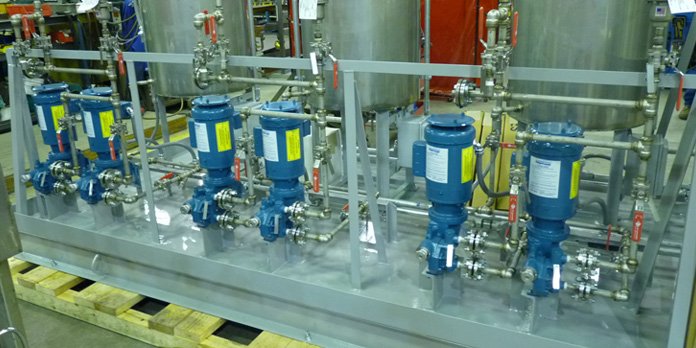
Choosing the right metering pumps for water treatment


Metering pumps are used in an assortment of municipal drinking water as well as wastewater applications. They are suitable for applications which require dispensation of treatment chemicals for disinfection, filtration and clarification.

This is because the pumps are able to alter the amount of chemical dosage rates according to the process conditions.

With all things considered, metering pumps are undoubtedly one of the most multipurpose technologies chemicals in municipal water applications. Nevertheless, there are variables that need be evaluated during the choosing and installation of the proper metering pump or complete chemical-feed system. As such, proper pump and feed system selection will help inject liquids or slurries regardless of viscosity. This is in addition to ensuring efficiency.

Sizing
Size is one of the most important factors that matter when determining the proper metering pump to be used. This is especially the case when it comes to capacity of both the pump’s flow rate and discharge pressure.

This is because a metering pump should be sized so that its maximum expected flow rate is 85% to 90% of the pump’s capacity. Leaving behind additional capacity is thus ideal. This also applies the other way round in the pump’s minimum capacity.

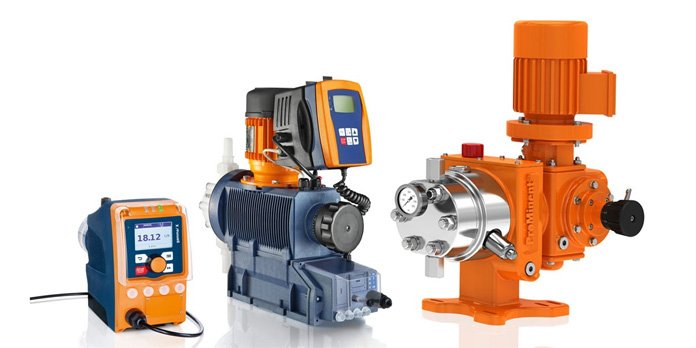
Metering pumps are selected based on the proper flow rates, discharge pressures and type of fluids to be pumped in the specific application. Once this is accomplished, one can now move to selective the type of metering pump. These vary from diaphragm, mechanically actuated diaphragm, solenoid driven or piston style.

Materials of Construction
The selection of a metering pump must take into consideration any corrosion, erosion or solvent action that may occur when handling specific substances. For example, solvents may dissolve pump heads constructed of plastic, acids and caustics may only be compatible with stainless steel or certain steel alloys, and abrasive slurries can erode some materials.

Also Read: 4 factors to consider when selecting the best chemical metering pump

As such, the best lines of metering pumps will be available in a range of materials of construction. These allow the end-user to choose the appropriate option for his specific application.

Drivers
A meter pump driver should be chosen by matching it to utilities such as electric, air, gas or other means of driving the pump. You should also take into account the environment in which the pump will operate, so as to prepare for hazardous-areas.

Control Systems
Control systems usually include manual continuous operation, on/off operation or automatic proportional control in response to a process signal. Generally, metering pump flow rates can be manually adjusted through the use of a micrometer dial that allows the pump to be operated between 10% and 100% of capacity.

Metering pump flow rates can also be controlled automatically by electric positioners that change the pump’s stroke length. This is also achievable through the use of variable speed drives that alter the stroking speed.

That being said, it is impractical to use a variable speed drive on motor-driven pumps that normally operate at less than 100 spm. This is because slowing the motor causes each stroke to take longer from start to finish. Furthermore, hydraulic motor-driven pumps should not be operated at less than 15 spm.

The metering pump application as well as level of quality should also be considered. The selected metering-pumping technology should offer the best in operation, reliability and energy efficiency when handling a wide array of liquids, chemicals and slurries.
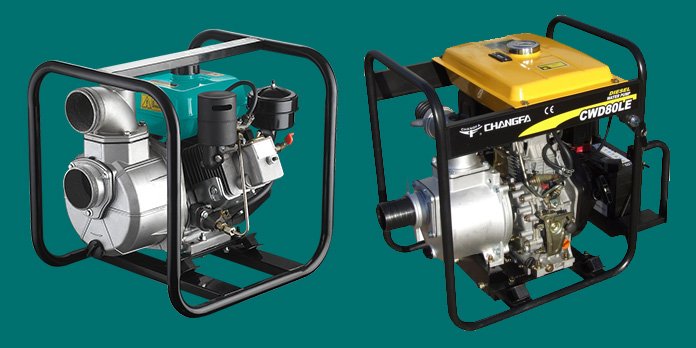
Best maintenance practices for diesel water pumps


Diesel water pumps are very delicate. They are also highly unpredictable; some can only go 50k miles before they fail whereas others are still able to run even after a long while.

That being said, there is nothing quite as frustrating as a diesel water pump failure while at work or driving. This could also lead to engine damage. As such, there factors that should be put into consideration in preventative water pump replacement.

When a water pump is leaking on a diesel engine, it should be replaced as soon as possible. This is in a bid to avoid costly engine problems. It is also important to note that most diesel engines don’t have a water pump maintenance interval.

Also Read: Aussie Pumps unveils new hydraulic drive pump

This is because the water pump is expected to last the life of the engine under normal use. Unfortunately, that is rarely the case since many of these engines don’t see what’s considered “normal use”. Similarly, others see far more than the expected mileage on the engine.

Generally, service professionals have the tendency of waiting for things to break down before replacing them. However, equipment such as water pumps are labor intensive to replace. As such, the replacement is often held off until they start showing red flags. To avoid waiting until it’s too late, the water pump can be replaced when the vehicle is undergoing routine maintenance. This will not only save the hassle of replacing the pump, but will also ensure smooth running of the same.

On the other hand, when replacing a pump, be sure to select the best pump for the job. Some people opt to get re-manufactured units in order to keep costs at a minimal. However, there are companies that manufacture brand new diesel water pumps that go for more or less the same price as that of a manufactured unit.

4 factors to consider when selecting the best chemical metering pump


Selection of a chemical metering pump that is best suited for your needs can be hard considering the huge number of different types that are currently in the market. Moreover, lack of sufficient experience in the same may also serve to make it hard.

Below are four important factors that one should be aware of before purchasing a suitable chemical metering pump.

Capacity required

When getting a chemical metering pump, be sure to consider the discharge pressure as well as the flow rate that you need in your project and or application. It is also important to note that over-sizing the pump will result in a lot of energy consumption when in operation.

As such, it is best to select a chemical metering pump that can deliver the needed flow rate or discharge pressure at approximately 85% of its capacity. This is to ensure that the pump retains a certain percentage in capacity for instances when requirements exceed the normal requirements of your application.

Also Read: How Jockey pumps work

This is also the case the other way round; the pump should be able to deliver the minimum performance required at about 10-15% of its capacity. This guarantees that the pump will accurately measure the small volumes of chemicals needed.

Compatibility with pump drivers

It is advisable to select a chemical metering pump whose operating system is compatible with the energy available the site of operation.

Material components

Different chemical metering pumps are fitted with different kinds of materials that suit particular applications. As such, it is best to keep in mind the chemicals that the pump will be exposed to. This will help with the knowledge of the type of pump material which will be able to withstand that particular kind of exposure.

Leakage Protection

The ideal chemical metering pump should have a system that will alert you in the event of a leak. This serves to help avoid the accidental discharge of excess amounts of chemicals during the operation of the pump. Failure to attention during a leakage could very well affect the operations.
