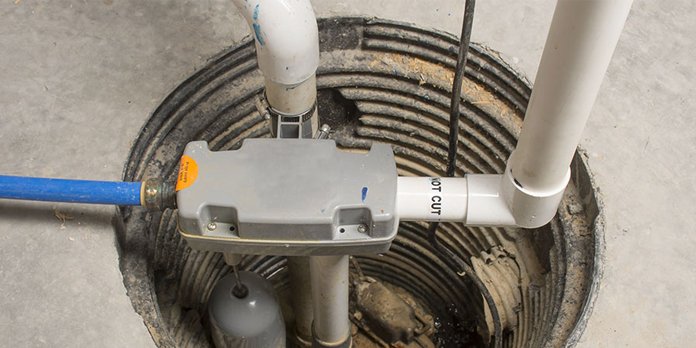
Why every homeowner needs a sump pump


The sump pump, unbeknownst to many, provides unmatched peace of mind for homeowners. There are many appliances and gadget that more often than not, have been made to seem a necessity to everyday life.

Electrical appliances such as television sets are termed as a must have, but are they really? This is in comparison to other appliances that are more essential but unfortunately people ignore until it becomes too late.

During the rainy seasons, the water from the rain tends to saturate the ground around and below your home’s foundation. Hydrostatic pressure from the same will then cause a build-up against the concrete walls. This will either cause cracks or overwork your drainage system. That is where a sump pump comes in; to relieve this pressure. It is usually installed in the lowest part of a basement to keep the space under the building dry and prevent flooding.

Installation

The pump is usually installed in a pit below the floor level. A basin with a gravel base is then dug about two feet deep and 18 inches wide. When it rains, the water flows into the area through drains. Once the water fills the basin a pressure sensor turns the sump pump on.

This, in turn moves the water through a pipe away from the house. Centrifugal force triggers an impeller to spin and forces water to move out through the pipe. Furthermore, most of the household pumps run on standard electrical power. As such, they also require a ground fault circuit interrupter to prevent accidental electrocution.

There are two styles of the sump pump; pedestal and submersible. Both of these work to move water safely out of the basement reservoir to an area outside the house. However, like with any other products, both styles have pros and cons that should be taken into consideration before purchase.

Maintenance

You should also ensure your sump pump is always in perfect working order through regular maintenance.  During dry periods, pour water into the pit and allow it to run a full cycle. The build-up in the pump can be removed by running vinegar through it. You should also ensure that the float remains unobstructed and working correctly at all times. Make sure water is being pumped out. Furthermore, the battery back-up pump should be replaced every three years to ensure efficiency of the pump.

The average lifespan of a sump pump is five to seven years. As such, ensure you replace your sump pump after some time.  New ones range in price from $150 to $400. This amount is inclusive of installation, should you choose to hire a professional.

Keeping your home and family protected from flooding, a water damage and health concern with a properly functioning sump pump is simple to handle yourself. For additional peace of mind, consult with your local professionals. The expert technicians can provide advice, low-cost maintenance plans, and pump replacements and back-up accessories.
When to repair or replace your pool pump

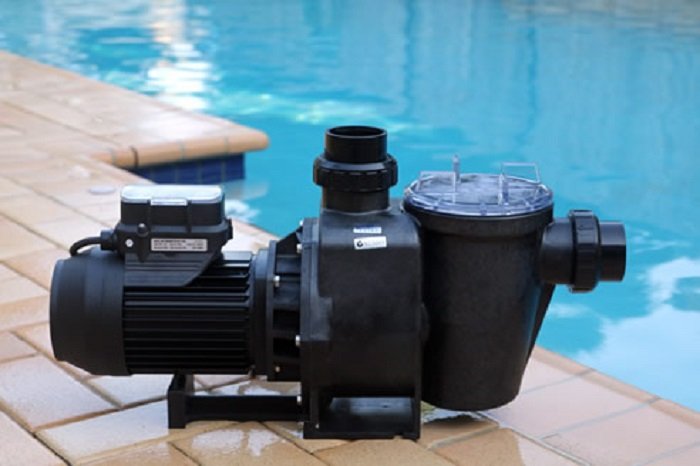
Pool pump is an important piece of equipment required to keep the pool water clean, warm and hygienic. Once a pool pump malfunctions or gets worst, it burns out. However, there are alternatives that could be done.

The current pool pumps generations coming out of the market are equipped with automatic controls, safety features and could be self-repaired by owners for simple problems.

But not all motor or pump troubles should be self-repaired. There are sometimes complicated problems and troubles that only experts can be trusted on these matters, especially on the electrical aspects.

Any sign of tear and wear should be given notice so as not to make them worst. Additionally, piping system; electrical wiring and other accessories such as a heater, chlorinator, skimmer, etc. should be checked regularly for possible mechanical or electrical troubles.

Choosing between repair and replacement for your pump motor or the entire assembly is one of the hardest parts to tackle. The decision literally rests upon your shoulders. But this article will help you to decide without hesitation on how to choose between repair and replacement. If you’re not super technical and don’t want to spend hours on fixing your pool pump, we recommend buying a new pool pump since you can get great pumps for an affordable price tag.

When to Repair pool pump

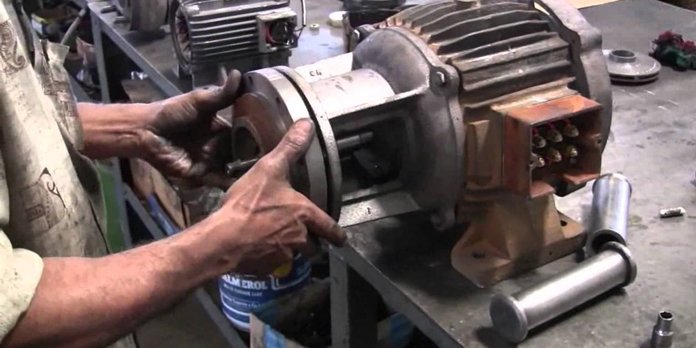
  1. When bearings are only the problem. These are easy to replace when you know the steps. As we have stated before, there are videos online that will teach you the proper way. Furthermore, you could hire experts to do this for you. Bearings cost only a fraction of the price for a whole motor unit.
  2. If the cost of repair is only minimal. In the case of bearing replacement, shaft seal may also be replaced if damaged or already worn out.
  3. When the impeller is only stock up and not deformed or broken.
  4. In case of total wrecked impeller due to serious clogging, this part is only the one needing replacement.

When to replace pool pump

  1. If the motor had passed its expected life when it encounters serious trouble.
  2. When you want an upgrade and current design is not appropriate anymore due to increase number of pool users and increase the frequency of maintenance.
  3. If same trouble occurs too often after reparations.
  4. When you are totally unsatisfied with your current pump’s performance and efficiency.
  5. In case of a burnt motor, rewinding is also an option only if there is no damage to the motor shaft, motor housing and other essential internal parts of the motor. These damages may result from the burn-out and needed the additional cost to repair.
  6. If the problem is too much and the cost may likely exceed the price of a new one, like a burnt motor with deformed impeller or damage diffuser, etc


Service and repair tips for extending a pump’s life cycle


The saying ‘an ounce of prevention is worth a pound of cure’ certainly applies in the case of centrifugal, chemical and borehole pumps. Even a small unnoticed leak or vibration can cause costly repairs down the track and shorten the pump’s life cycle and performance.

Here are five ways to ensure you are optimizing the life cycle of your system.

Schedule regular maintenance
The simplest tip of all is to arrange periodic maintenance services for your pumps with a specialist team. With this, you can set the task and be at peace knowing that your pump is operating at peak performance. Any arising problems will be identified before they escalate to larger repairs, plus any savings in operating costs can quickly cover the service fee.

Stock main spare parts for remote sites
The last thing you need in a remote location is having the entire site on shutdown because you need to wait for a replacement seal or part to be delivered. You may consider keeping spares of the most common products at hand If your pump system is critical for your day-to-day operations and your supplier not near.

Perform Life Cycle Cost (LCC) analysis
Making the right equipment or control system changes at the right time can improve energy consumption by anywhere from 30 percent to 50 percent. The below formula is typically calculated over 10 years and used to assess the lifetime costs of a pump system and when is best to upgrade:

LCC = Cic + Cin + Ce + Co + Cm + Cs + Cenv + Cd
Where:
Cic = the initial purchase cost of the system
Cin = the cost of installation and commissioning
Ce = energy costs
Co = operating costs
Cm = maintenance costs
Cs = downtime costs
Cenv = environmental costs
Cd = the cost of decommissioning and disposal

Choose quality seals and bearings.
Even one low quality seal can lead to contamination in your bearings, pressure leakages or a reduction in lubrication within the system. To ensure pressure and power consumption are correctly maintained, attention to the quality and cleanliness of seals and bearings is important.

Keep a maintenance and repair record.
Keeping a detailed record of a pump’s service and repair history can help to maximize its lifetime of performance and minimize any unnecessary costs.
