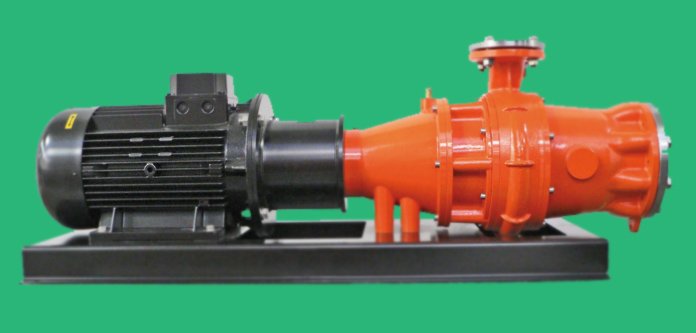
Chopper pumps and their application


Chopper pumps are types of centrifugal pumps specially designed to handle fluids with a high concentration of solids.The chopper pumps have a cutting attachment made of hard materials of fixed and rotating elements that ‘soak’ solids before entry to the impeller.

This action allows it to handle difficult materials. Solids are cut so they pass through the pump more easily and flow out with the rest of the pumped fluid.

The chopper pump’s ability to handle solids gives it more flexibility in terms of material that they can pump. This specific characteristic makes them particularly useful in wastewater treatment plants. Wastewater treatment is split into primary treatment and secondary treatment.

Primary treatment is the physical separation of float-able materials and insoluble solids from the wastewater. Secondary treatment, on the other hand, is the biological treatment of water through the use of microorganisms to remove the remaining solids in the fluid. Ideally, both treatments contain solids in the pumped fluid and as such may require chopper pumps

Specific steps in the process include pumping scum, mixing the contents of the aeration basin and the anoxic zone and pumping sludge. For instance, at a treatment facility, chopper pumps will mix oxygen with wastewater to encourage the growth of microorganisms. This is for purposes of breaking down solids.

The chopper pump comes in handy where solids are involved since a typical centrifugal pump impeller is more easily clogged by solids. These often end up inhibiting the pumping process.

They could also cause irreparable damage to the system. In wastewater treatment processed for instance, there are stringy materials found in the wastewater that centrifugal pumps cannot work around. This is because the material can tangle the impeller. Chopper pumps, on the other hand, are well equipped to work under such conditions.
 

How to measure corrosion in pumps


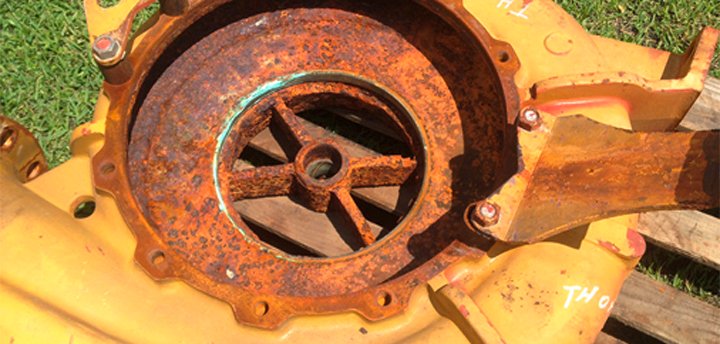
Corrosion in pumps is a serious concern in pumping systems. This is because lack of proper pump monitoring could lead to catastrophic failure of a pump.That being said, the selection of the proper material for the pump is extremely important in addressing this concern.

Moreover, the material selection is dependent on other factors such as the fluid being pumped or speed of rotation of the pump.

Failure to select the correct material for an application has been proven to accelerate the effects of corrosion. Similarly, choosing the best-suited material for an application will dramatically reduce the effects of corrosion.

To avoid and or prevent the dangers of corrosion in pumps altogether, it is advisable to keep in constant check the pumps applied in systems where corrosion is a known risk. This will help ensure normal operation. On the other hand, there are several methods for corrosion monitoring that have been proven to work.

For instance, visual inspection of the pump is the easiest and can reveal corrosion damage occurring in the pump. This, however, comes with a major drawback as it requires the pump to be shut off and taken apart. Additionally, stress cracking could have no visible signs in the visual check, but later cause sudden distress that will prove to be catastrophic to the pumping system.

On the other hand, general corrosion can be detected through the use of a metal probe to measure the electrical resistance. This works such that when the cross section is reduced by corrosion, the measured electrical resistance will increase.

Metal probes can also be used to measure the linear polarization resistance. A voltage is applied using the probes, and the resulting current is proportional to corrosion rate. Finally, ultrasonic thickness measurement can be used to determine the thickness of an area on the pump. This will then indicate if thickness is being lost due to corrosion.

Types of pumps used in power plants


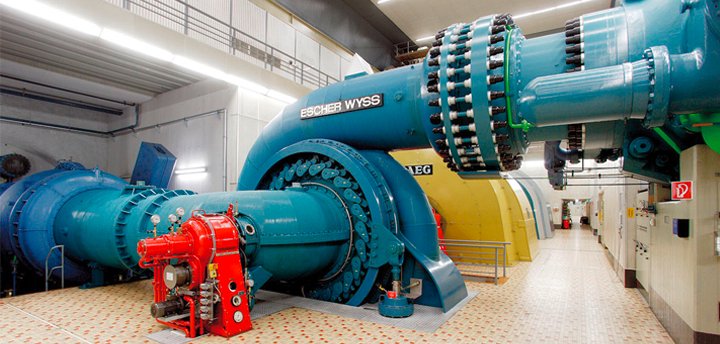
Power plants usually employ the use of different kinds of pumps for a wide range of operations. For instance, boiler feed pumps are crucial for the operation of power plants.

These are typically used in different stages for the delivery of feedwater to boilers. The feedwater is then turned into steam, which is what turns the turbines generating power at the power plants.

To assist in the pumping of feedwater, booster pumps are also present upstream of the feed pumps. The booster pumps which are specifically used in boiler feed applications increase the suction pressure of feedwater. This process serves to fulfill the Net Positive Suction Head (NPSH) requirement of the main boiler feed pump.

Condensate pumps collect saturated water from the condenser hot well and pump it either to a de-aerating heater or back into the boiler feed pump. These pumps operate at extremely low suction pressures.

As such, they are often located at the lowest level of any pump in the power plant. They are also installed in a suction can that is below ground level. Furthermore, the velocity of the flow entering the condensate pipe is kept to a minimum. This helps to limit frictional losses in the piping.

Condenser circulating pumps deliver cool water from freshwater sources near the power plant. They then pump it through the condenser to condense exhaust steam from the turbine. These pumps can be either located in dry pits or wet pits. If they are in wet pits they will have a vertical design.

Boiler circulating pumps pump water through a boiler. This helps to increase the effectiveness of the boiler. The water is at the same temperature and pressure as the boiler and the pump operates at a low total head requirement.

As such, it only needs to overcome the friction in the tubes of the boiler. Heater drain pumps are necessary in power plants to pump the condensate produced from closed heaters back into the feedwater system. Similar to condensate pumps they have very little NPSHa.
