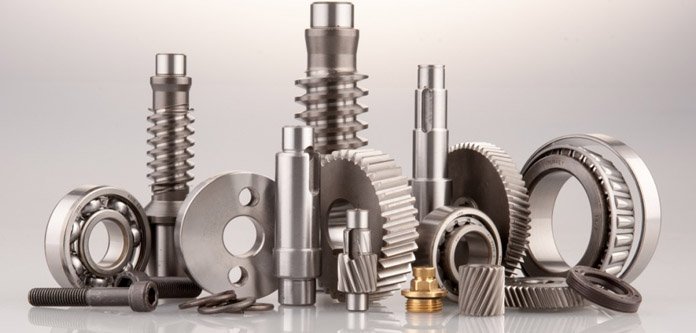
3 Main causes of gearboxes failures


In a world of optimization and digitization where factories are trying to reduce costs and downtime, the identification of basic gearbox failures can help you to save money and precious time so let the repair shop and service team become a key part of your optimization process.

During my few years of experience in the power transmission sector, and while closely communicating with customers and end users I identified 3 causes of gearboxes failures.

1. Alignment of the gearbox on the application
This first cause of gearbox failure is purely mechanical, gears being designed to work in a certain configuration and backlash settings for each gear tooth, that when misaligned can cause a concentration of loads on a part of the gear, housing, bearings or other weaker part of the gearbox and induce premature failure.

READ: Optimal solutions for pump applications

The identification of misalignment can be done during the maintenance period throughout the lifetime of the gearbox. Before failure, the healthier way to process is to ensure the right mounting of the gearbox during the installation in a new application or after the servicing of some of the machine’s components. I also advice a regular control of the gearbox alignment by external service companies.

2. Lubrication of the gearbox
Most of gearboxes are supplied with high quality lubricant oil adapted to the type of application, environment and mounting configuration. Manufacturer calculates the right quantity and defines the right type of oil to ensure an ideal lubrication for both gears and bearings. The bath and splash lubrication configurations allow the right spread of oil in the gearbox, allowing the oil to create a thin film on the gears.

This thin layer of oil prevents a metal to metal contact between the gears during their engagement. During the gearbox lifetime the oil quantity and quality can change depending on the applications and regular service intervals. Sealed and protected from external pollutants, that can affect the oil quality is a good method to ensure the health of the gearbox, a yearly oil change is recommended to allow for optimal lubrication.

During the oil drain a quick analyse of the oil quantity, colour, presence of external elements, can give key indicator of the gearbox health and conditions. Gearboxes working in harsh condition can lose significant quantity of oil during their lifetime, causing a lack of lubrication of the primary gears and irreversible damages.

3. Overload and operating mistakes 
Often exposed to harsh working condition, the gearboxes also suffer from overload and operating mistakes. Gearboxes are initially supplied with the right configuration and service factor to offer optimal working and enhanced performance.

ALSO READ: Special solutions for the water and waste treatment

Yet the working conditions at the end user facility can differ from day to day and sometimes grow to extreme for the gearboxes, in facilities like; water treatment plants, bulk material producer and recycling companies. These applications are often the ones imposing the hardest working conditions to the gearboxes. Exposed to external conditions these operators are regularly forced to stop their operation in emergency due to rain, electrical outages, feeder overloads etc.

During these emergency stop events, heavy loads are applied to the output shafts, torque arms and backstop devices. Fully loaded a conveyor, mixer or shredder is demanding an extra effort to the geared motors until it gets to the requested operating speed. Soft start devices and adapted automation can reduce the overload and mitigate the efforts made by the gearboxes.

Unfortunately, it is hard to identity a damaged gearbox in such noisy environment, at the same time the gearbox rarely shows noise or vibration difference until it is too late. At this stage the operating temperature of the gearbox remain a good factor to identify potential failures that sometimes take years to appear.

Although gearbox failures cause are not limited to these 3 causes, applying these basic advice could help you to save thousands of dollars and precious hours.
How to select the right valve for the job


Valves are one of the most undervalued pieces of equipment on a mine and factoring valve selection into a plant’s core design is vital for safe and reliable operation – John Abbott, Weir Minerals’ Global Product Manager for Valves shares his advice.

Companies spend years planning and designing plants that can cost billions of dollars. High value, long lead time capital equipment like high pressure grinding rolls, mills, crushers and other capital equipment are reviewed, analysed and ordered early in a project’s timeline, well in advance of their go-live date.

But why are valves ordered just months before they’re needed?

Because of their lower cost and shorter lead time, people often think of valves are less important than the big-ticket items. However, this perception ignores the fact that valves are a vital piece of equipment, enabling you to isolate and shutdown other equipment safely, preventing small problems from becoming plant-wide disasters.

Because they’re often procured at the last minute, however, we see poorly selected valves shutting down operations instead of keeping the plant running. Factoring valve selection into the plant’s core design is the key to safe and reliable operation.

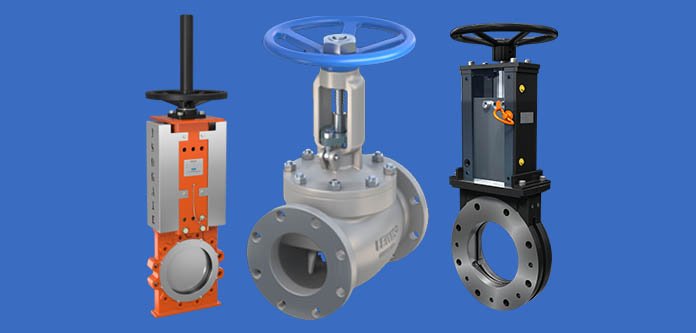
Let’s start with a quick breakdown of the different types of mining valves Weir Minerals manufactures.

Weir Minerals Isogate® valves
Weir Minerals has been manufacturing Isogate® knife gate valves for over thirty years. What started as a range of low pressure, low duty, heavy construction valves, has grown into a full range including large bore, high-pressure tailings valves to lightweight high-performance valves.

These valves utilise the full suite of Weir Minerals elastomers to ensure long wear life in every application. Through our continuous improvement program, our engineering team has achieved a best-in-class design for fluid expulsion during cycling, reducing water consumption and limiting environmental impact in the case of a leak.

Delta Industrial™: the market leader in shear gate valves
Delta Industrial™ knife gate valves have been the market leader in the range of shear gates for many years. The valves are engineered from a wide range of materials which virtually eliminate any corrosion or erosion while their closed body design with top transverse seal means no leakage to the environment during operation.

A range of accessories can be added to enhance the wear characteristics in the harshest of operating conditions.

Lewis® valves excel in corrosive applications
Some people forget about our Lewis® valves range, where our best-in-class wear materials such as the proprietary Lewmet® nickel-chrome alloys, give our gate, globe and butterfly valves unparalleled performance and survivability in a number of sulphuric-acid-based processes.

Choose something that lasts
Weir Minerals has a pedigree in materials and design that not many other valve manufacturers can match. Through our brands Linatex® and Vulco®, we have almost 100 years of rubber engineering to offer the highest quality and best wearing rubbers for various applications.

For example, Linatex® premium rubber sleeves in our pinch valves provide outstanding wear life in applications involving abrasive particles, due to the way their unique manufacturing process retains resilience of natural rubber.

Why valves need to be a fundamental part of your plan
Unfortunately, leaving valve selection to the end of your design process can limit your options due to availability and lead times.

It’s worthwhile thinking about the potential complications such as these early to make your life easier later on:

  • If you know you’re going to be working with sulfuric acid, factor Lewis® valves in early to prevent a situation where your plant gets shut down because a standard valve’s worn away after just a month of operation.
  • If you suspect that throughput is going to change significantly along with the ore body, factor that into your Isogate® valve selection.
  • If you know you’re going to need a robust Delta Industrialtailings valve, secure that inventory early so you’re not left running something prone to failure in that important pipeline.

Another issue I see is operators going with the same valves they used on their last project by default. This approach is fraught with danger as every process is subtly different in ways that can significantly affect valve performance and ultimately, your bottom line.

By contacting an experienced valve provider like Weir Minerals in the early stages of your process design, we can support your valve selection to achieve optimal wear life and minimise problems. Simply put, we’re here to make sure your valves do not become a maintenance issue of their own.

Water borehole drilling and pumping process


Water borehole is commonly used around the world. But do you know the drilling process? Here are the 4 stages of Water borehole drilling.
  1. Pre-drilling

When drilling Water borehole, it is usual to start the process with a geological survey and vertical electrical sounding to locate water underground. The VES sounding attempts to map the availability of water by taking resistivity measurements using probes at a set distance apart.

In most countries, a borehole drilling permit and environmental report is required before commencing drilling.

  1. Drilling

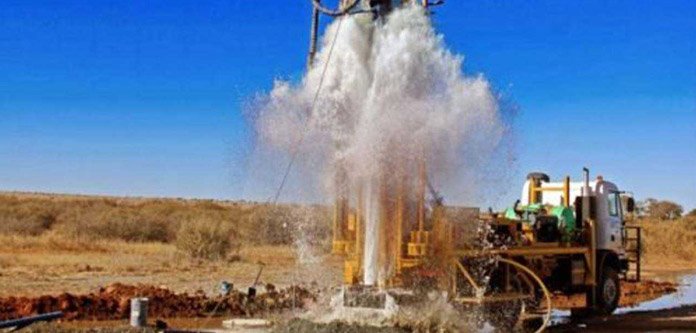
A drilling rig is required for the drilling. As the drill progresses into the ground, extra drill rods are added until eventually the drill reaches the required depth.

A geologist is needed to supervise the drilling process; always engage qualified geologist and personnel. They ensure boreholes are drilled straight for correct procedures like steel casing and gravel filter pack fitting are followed.

For maximum water yield, boreholes must be developed and test pump conducted after 24 hours to pump out dirty water and to check what yield the bore-hole can supply before samples are taken for bacteria and chemical analysis.

  1. Pumps

The type of pumps may vary from mains powered, solar powered and wind powered depending on the availability of power and intended use of the borehole. In Africa, sunshine is abundantly reliable and predictable making solar energy a low cost.

For example, Osiligi Charity Projects, a non-governmental organization running charity projects in rural Kenya, recently sunk a borehole in a school it manages, to run throughout on green technology so they settled for solar powered Lorentz pumping system.

Piping is greatly determined by the intended use like irrigation, home supply, distribution or charity.

  1. Cost of drilling a borehole

Borehole drilling in every country has unique processes involved from conception to delivery and the combination of factors that impact the components and processes used will almost always be different.

Therefore, borehole drilling cost is not a constant and specific amount on paper.  A carefully calculated quotation must be drawn and particular costing needs affected by different conditions must be considered.

ALSO READ: Experts discuss future of water borehole drilling industry in Kenya
